
More and more citizens are wondering what the Tax Authorities check on bank accounts in 2025. It’s a fair and timely question, because in 2025 the controls by the Italian Revenue Agency (Agenzia delle Entrate) have become even more precise, digital, and frequent. Knowing what the Tax Authorities check on bank accounts in 2025 allows you to avoid making mistakes and prevent future problems, such as penalties or tax assessments.
At our firm, Studio Lombardo Larosi, we receive questions every week like: “Can I receive bank transfers from friends?”, “How much cash can I deposit without risking a check?”, “Does the Tax Authority see my bank account?”. In this guide, we want to answer in a clear and simple way.
Table of Contents
What the Tax Authorities Check on Bank Accounts in 2025: When and why does the Tax Authorities check bank accounts?
In Italy, there is no banking secrecy, so the Revenue Agency has direct access to information on citizens’ bank accounts. This means that the Tax Authority can know:
- How much money you have in your account
- What movements you make each month
- From whom you receive transfers
- To whom you send money
With the digitization of banks and the use of the Financial Relationships Registry, every credit institution annually transmits your banking data to the Tax Authority. This is why it is essential to know what the Tax Authorities checks on bank accounts in 2025, to avoid unintentional mistakes.
What the Tax Authorities Check on Bank Accounts in 2025: Which operations attract the Tax Authority’s attention?
Not all operations trigger a check, but there are bank movements that may appear suspicious, especially if they lack a clear explanation. Here are some examples:
- Recurring transfers from people not related to you
- Frequent or high-amount cash deposits
- Large withdrawals without documentation
- Money receipts not justified by contracts, invoices, or agreements
These operations are part of what the Tax Authorities checks on bank accounts in 2025, and they can trigger a verification by the Revenue Agency.
Beware of bank transfers: even “small” ones can cause problems
Many people think that only large amounts trigger checks, but that’s not the case. Even multiple small and regular transfers can attract the Tax Authority’s attention. For example:
- Receiving €300 every month from a friend, without explanations
- Sending €200 regularly to an acquaintance without a contract
- Receiving money for unregistered rentals
All these are situations that fall under what the Tax Authorities checks on bank accounts in 2025 and must be documented precisely.
Cash deposits: how to behave?
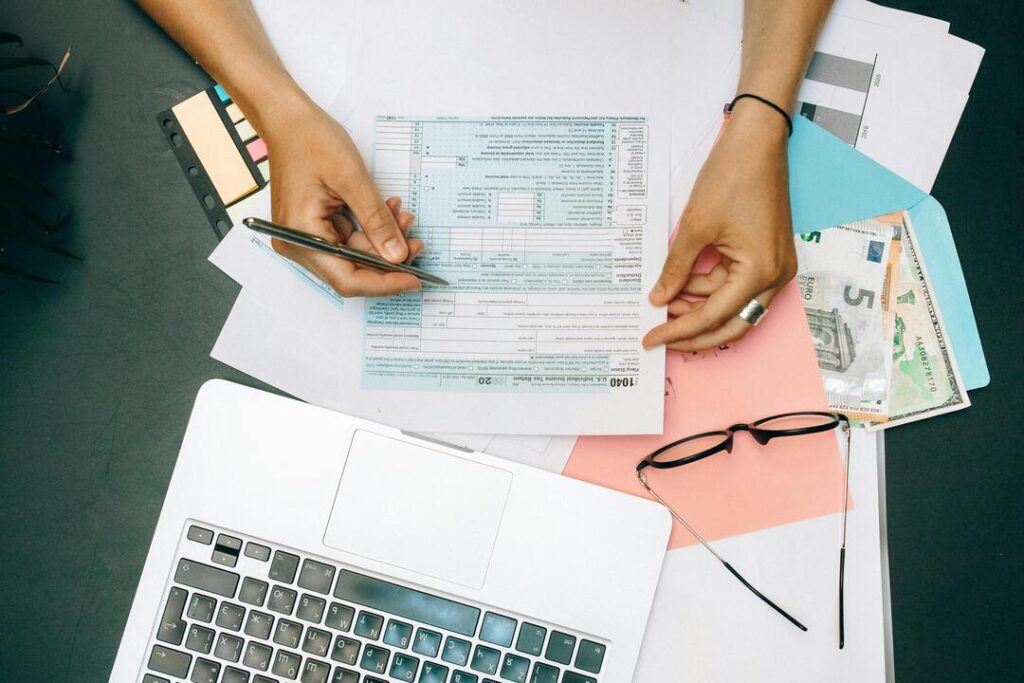
Another delicate aspect concerns cash deposits into bank accounts. If you deposit, for example, €5,000 in cash, the Tax Authority may ask you where that money comes from. You must be able to prove that:
- It is already taxed savings
- You received a documented inheritance
- You sold a registered asset
This too is part of what the Tax Authorities checks on bank accounts in 2025, and even small oversights can lead to penalties.
Banks automatically report your data
Every year, Italian banks send data on their clients’ current accounts to the Tax Registry. In particular, they transmit:
- Balance as of December 31
- Total incoming and outgoing movements
- Personal data and tax code of the account holder
- Information on any delegates or joint holders
This data flow is a fundamental tool for the Tax Authority to know what it checks on bank accounts in 2025 and compare your movements with what you declared in your tax return.
What if you can’t justify the movements?
If the Tax Authority finds a discrepancy between what appears on the bank account and what you declared, it may consider that money as undeclared income. The consequences can be:
- Taxation on those amounts
- Fines and penalties
- Tax assessment
- Tax litigation
This also falls under what the Tax Authority checks on bank accounts in 2025. To avoid problems, you must always be ready to provide written justifications.
What to keep to avoid problems with the Tax Authority
To protect yourself from possible disputes, we recommend keeping all useful documentation for at least 10 years. Here’s what you need:
- Invoices
- Written contracts (rent, occasional services, consultations)
- Payment receipts
- Copies of transfers
- Emails with agreements
- Signed declarations
Keeping everything organized will help you respond promptly in case of checks.
Useful schedule: deadlines and actions
| Period | Action to take | Documents to keep | How long to keep them |
| January – December 2025 | Collect receipts and transfers | Invoices, emails, receipts | 10 years |
| By April 2026 | Verify balances and movements | Annual bank statement | 10 years |
| By June 2026 | File tax return | Model 730 / Personal Income | 10 years |
| All year | Check incoming and outgoing transfers | Written proof of operations | 10 years |
Studio Lombardo Larosi can do all this for you
If all this seems complicated or you don’t know how to organize yourself, don’t worry. Our firm specializes in tax assistance and can handle every aspect of bank account checks for you.
We are experts in:
- Prevention of tax assessments
- Management of relations with the Revenue Agency
- Analysis of suspicious movements
- Support in preparing and keeping documents
If you’re wondering what the Tax Authorities checks on bank accounts in 2025, we can help you answer clearly, avoiding mistakes and penalties.
Why relying on an expert in Italy is essential
Italian tax legislation is among the most complex in Europe. Tax checks in Italy are more frequent than in other countries, and bureaucracy is often difficult to interpret for non-experts.
As Studio Lombardo Larosi, we provide technical expertise, constant updates on regulations, and personalized assistance. Our goal is to help you stay compliant, avoiding any risk with the Tax Authority.
Don’t wait for a letter from the Revenue Agency: act first, with the support of a professional.
Conclusion
Knowing what the Tax Authority checks on bank accounts in 2025 is essential for every citizen, entrepreneur, or self-employed worker. Checks are increasingly detailed, and even a simple oversight can turn into a problem.
Don’t get caught unprepared: keep everything organized, document every operation, and if in doubt, ask for help from an expert.
Studio Lombardo Larosi is by your side.

Do you need help? Contact us now
📞 We will respond quickly and help you resolve any doubts.